|
As
part of Green Power's Conferences, the Electrolysis Congress builds on the World
Hydrogen Conference
The
splitting of water into hydrogen and oxygen via electrolysis
is the cornerstone of what many see as a necessary hydrogen infrastructure, that is at the moment incomplete,
as far as a utopian circular economy is concerned. Europe is helping to lead the
charge in electrolyzer
development, under their FCH-JU programme. ROLLING
OUT ELECTROLYZERS TO MEET DEMAND - OPPORTUNITIES AND CHALLENGES
WHY IS THIS IMPORTANT ?
For green hydrogen to become cost competitive by 2030,
electrolyzer technology needs to scale up, become more efficient and be readily available.
The bottom line is it needs to be cost effective. There are still a lot of unknowns regarding the mass production and the roll out of large-scale
electrolyzers. The ins and outs of smaller units also need to be evaluated,
as concerns the proposed SmartNet flatpacks. The
Cleaner Ocean Foundation were grateful to be included on these very
important topics. Such as what the key barriers are that need to be addressed, how projects are scaling up and where to find opportunities in the market.
The webinar addressed the following key topics by presentation, discussion
and Q&A sessions:
• Overview of opportunities and challenges in the market
• What role should policy play? What is necessary to drive costs down rapidly to levels which will not need subsidies?
• Learning by doing – discovering projects in the pipeline and evaluating lessons learned so far
• Managing safety with large scale projects
THOSE
ATTENDING MODERATOR: Ankica Kovač
Ph.D., MEng. AE. - Assistant Professor, University of Zagreb, Faculty of Mechanical Engineering and Naval Architecture FSB
Fakultet strojarstva i brodogradnje
Ivana Lučića 5
10002 Zagreb, p.p. 102
Sveučilište u Zagrebu
Ministarstvo znanosti i obrazovanja
MB 3276546
OIB: 22910368449
PIC: 996827485
IBAN: HR4723600001101346933
tel: +385 1 6168 222
fax: +385 1 6156 940
email: smotra@fsb.hr 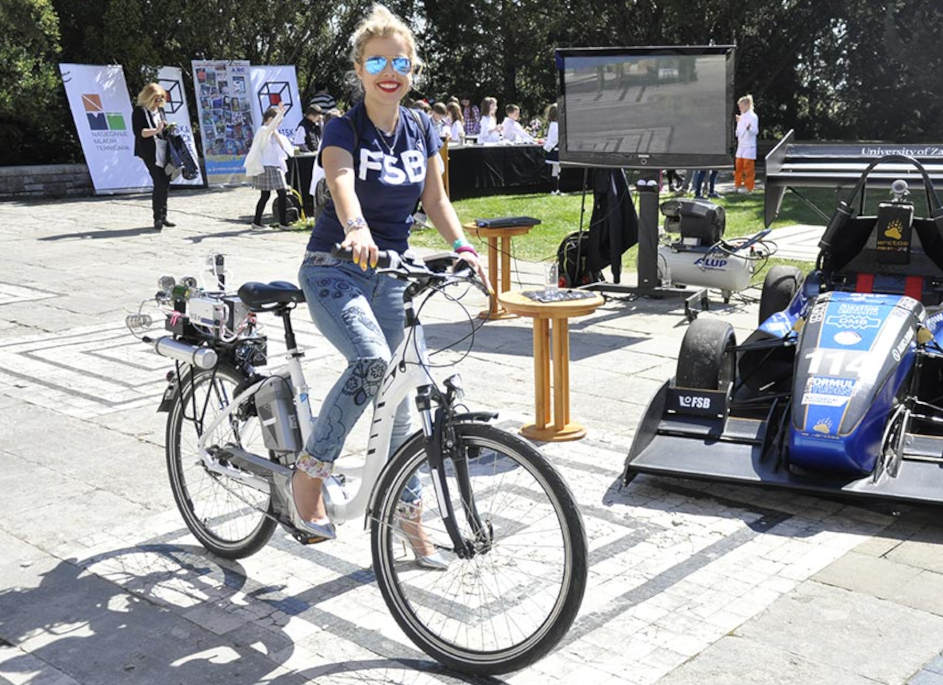
To promote hydrogen transportation, in cooperation with
Toyota Croatia Inc.,
Ankica organized the Croatia Mirai Challenge as the road trip from Zagreb to Brussels. She is the project leader of ‘Securing electrical energy in the case of climate extremes and natural disasters’ within which will be a developed system based on green hydrogen production and usage in fuel cell stack. This project is funded through European Fund for Regional Development. Furthermore, she is the project leader of ‘Advanced methods of green hydrogen production and its transportation’ funded through the Croatian Science Foundation.
As a member of the Executive Committee of The Collaboration Programme on Advanced Fuel Cells, she is the official representative of the Republic of Croatia. Ankica is a member of the Council of the President of the Republic of Croatia for Energy Transition and Vice President of the Croatian Hydrogen Association. She was awarded the Croatian Woman of Influence Award in the category of Leadership and Innovation.
Nice one Ankica.
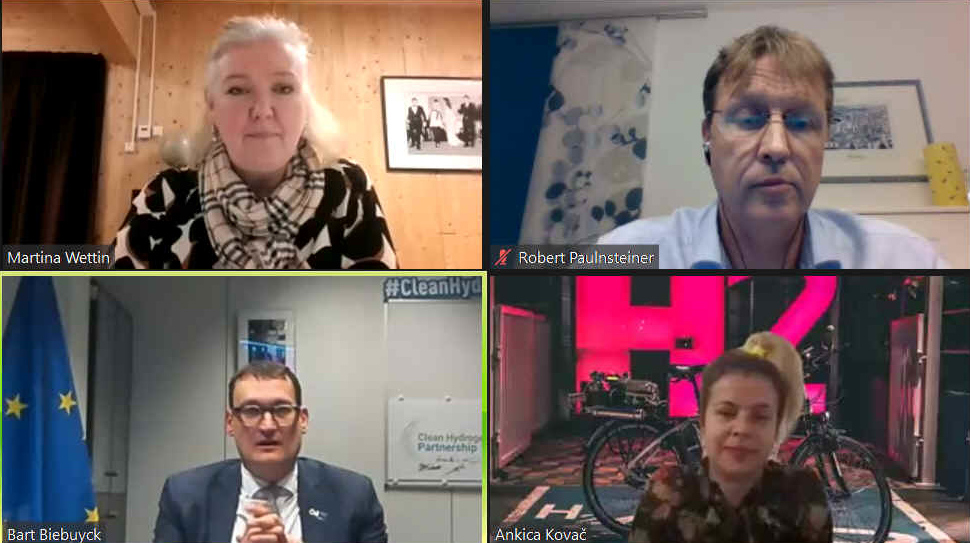
SPEAKERS:
- Bart Biebuyck, Executive Director,
FCH-JU
- Oliver Weinmann, Managing Director, Vattenfall Europe
- Martina Wettin, Co-Founder & Chief Business Development Officer, Nilsson Energy
- Robert Paulnsteiner, Hydrogen Technologist, Verbund: robert.paulnsteiner@verbund.com
TIME OF EVENT
Dec 13, 2021 04:00 PM CET hosted in Amsterdam, Berlin, Rome, Stockholm, Vienna.
PANELISTS
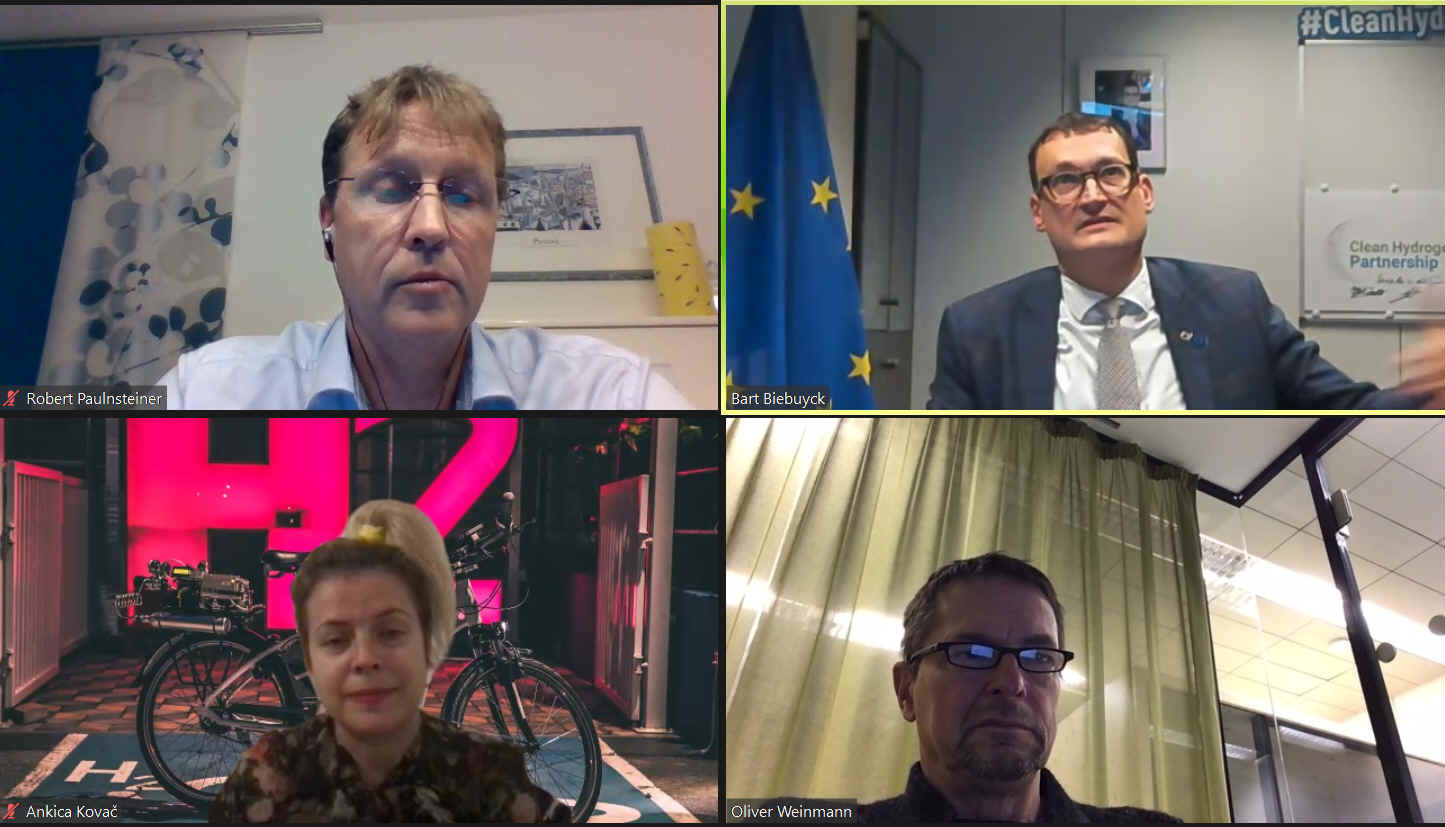
- World Electrolysis panelists 13 December 2021, with the multi-talented Ankica Kovač,
acting as moderator.
CLEANER
OCEAN FOUNDATION (COF) INPUT COF's
special projects coordinator, Nelson
Kay, attended this event as their delegate. He is one of the
conceptual team working on low cost buildings and rapid installs, using the
flat-pack system of factory pre-manufactured panels, to create SmartNet
units, as future proofing and kickstarter units, to help governments and
national grids create new hydrogen
powered highways. He
is a seasoned builder and an EV
advocate, having enjoyed testing a BMW
i3 for over five years - and it's almost as good as new - being a six
year old vehicle in reality - an ex demonstration model purchased at a
discount. Nelson is also a planning advocate, having won a number of (town
and country) appeals to the Secretary of State, for clients in the United
Kingdom, mainly relating to affordable
housing, one in relation to a flat-pack unit. He would love to make a
planning application for a SmartNet service station, to give it the best
chance of success, and set a case precedent, where planning barristers are
expensive and costs awards prohibitive in the usual way. 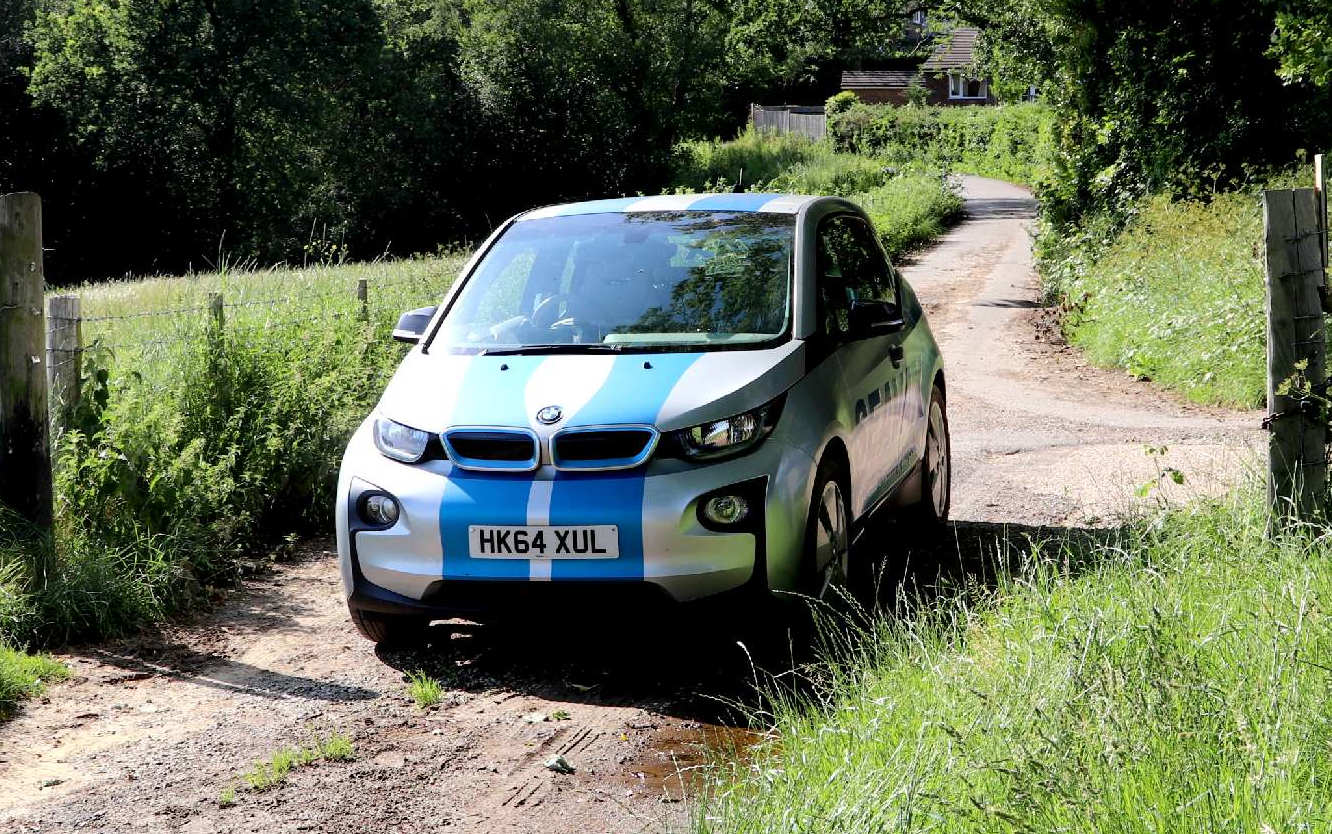
IDEAL
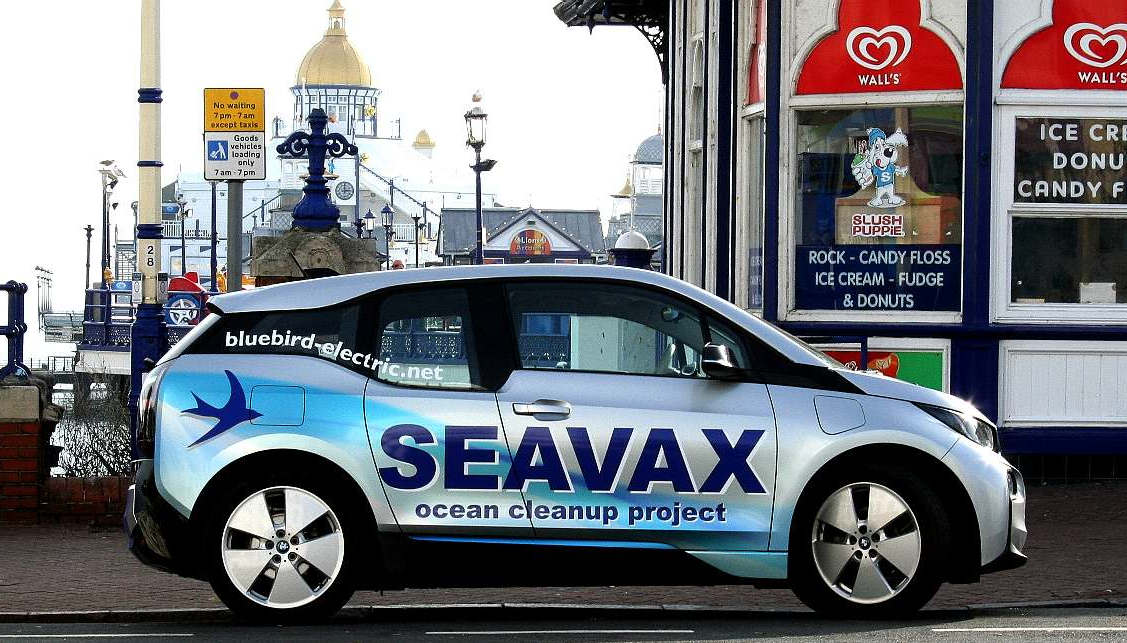
FAMILY CAR - If, cars like this battery powered BMW i3 were more
affordable, incorporated solar panels on the roof and bonnet (perhaps), and
had interchangeable (or retro-replaceable) hydrogen fuel cell power packs,
they would solve the planet's electro mobility
problem, but only if there were suitable (smart) service stations - to be
able to recharge the little beauties.
There
is nothing stopping BMW from retro-fitting a couple of these electric
horseless carriages as hydrogen battery prototypes. They might even want to
contribute to a flat-pack, dual-fuel service station - perhaps as part of a
consortium - to share the development risk. COF would like to see cars like
this more affordable to overcome the perceived resistance to change, from
low income families - where the second user market is still missing.
There
is nothing stopping any OEM from engaging positively, by way of a hydrogen
cooperative. Japan and South Korea are leading the way at the moment with H2
vehicles. None so far compatible with Smart Service Stations.
Put
yourself in the shoes of low income families who are struggling to make ends
meet, now being asked to buy an electric vehicle they cannot afford (after
2035). They will argue it is unreasonable of the government to force a
change, without putting in place policies to protect them from hardship. And
we would agree with that. There should be a scheme to assist single parent
families who might otherwise be unable to cope. A similar scheme might apply
to the disabled as motorbility. Yet we have not seen any budget EVs that
would help policy makers popularize EVs, should they be considering
introducing such statute. The perceived problem being that governments are
not thinking that far ahead. They don't have forward planning departments,
typically, being market led. But in a climate crisis, as with Covid 19,
should not our administrations' take the bull by the horns. This is no time
to let the market decide policy, we need policies to generate the market.
For starters, Pay
As You Drive (PAYD) technology, lowers the cost of electric vehicles.
You don't have to buy or hire a battery, you literally pay for fuel as you
need it. Just like petrol or diesel. That of course means the vehicle is
much cheaper!
Where
at the moment gas is stored in giant underground salt caverns and very
occasionally in gasometers,
hydrogen is being piped across England, Scotland and Wales, to create a gas
grid, the pipe network being the storage medium - that cannot load level the
electricity grid. Hence, the UK has two grids side by side, when with
SmartNet, one network will do both jobs if designed for that purpose. Which,
we'd imagine would be an attractive proposition to accelerate the
technology. Why do the job twice? Although, a backup plan might be
considered a good idea. You'd still need smart service stations to service
EVs and load level the electricity grid. At
the moment, a third tier of complication is the network of load levelling
energy depots used by grids, that cannot service EVs, or store hydrogen. Any
way you look at it, SmartNet multi-purpose units stand to both disrupt and
advance energy storage and supply. 
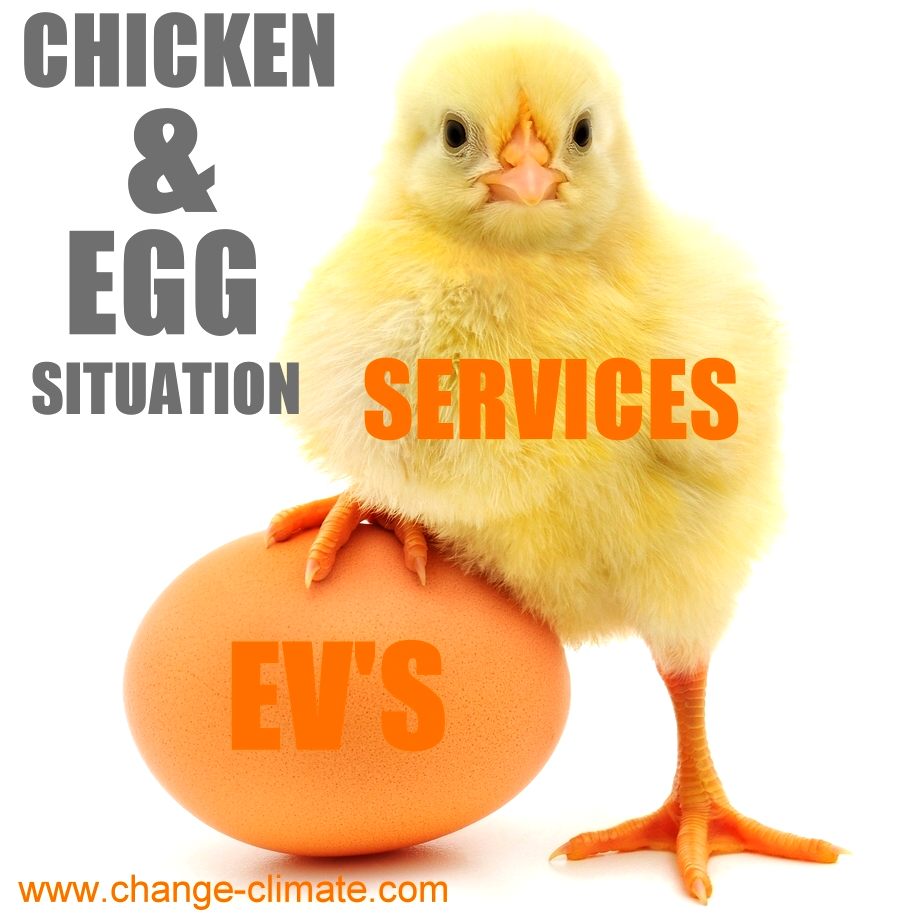
HENRIETTA - thinks she may have something to chirp about. She thinks she may have cracked
the 'chicken and egg' conundrum that as of 2021 is stopping more people enjoying zero emission
transport. If you are looking for a risk reduced business model, Henrietta's
proposal is well worth a look.
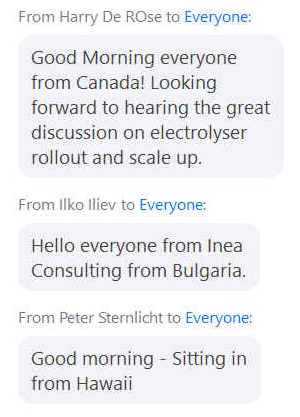
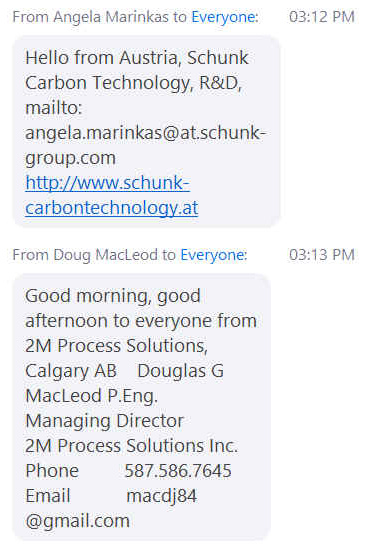
CHAT
& NETWORKING 

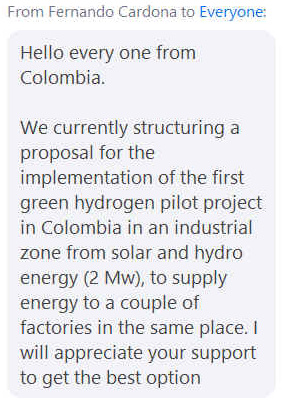
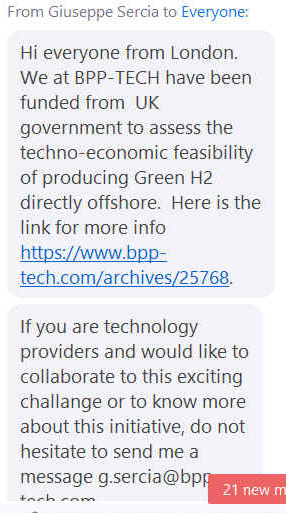

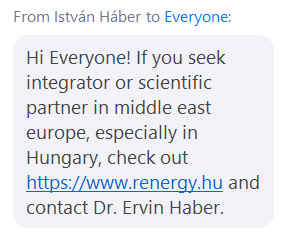
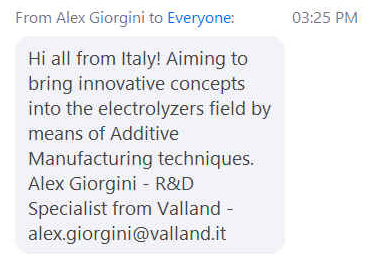
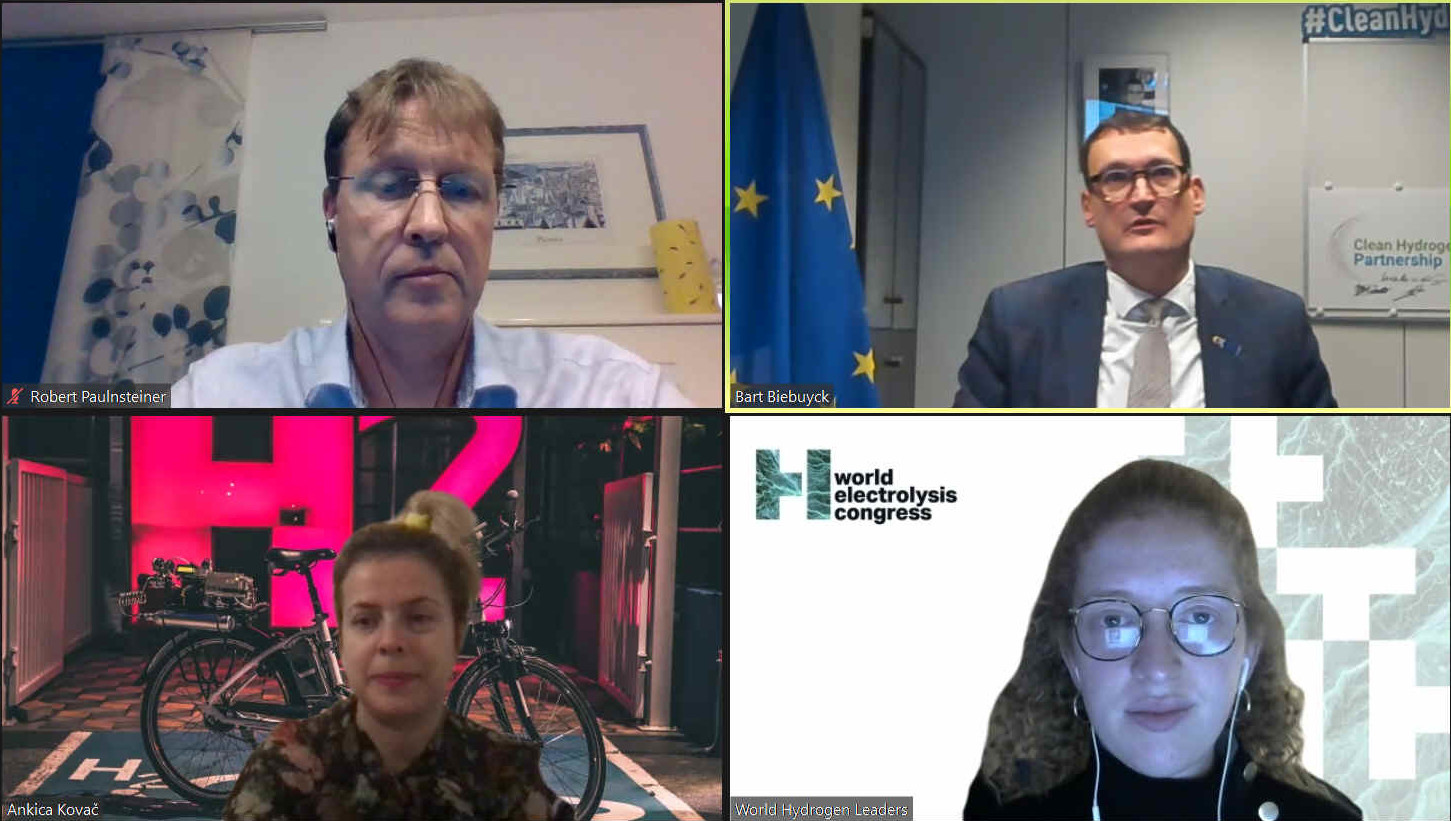
Ankica Kovač is an Assistant Professor at the University of Zagreb, Faculty of Mechanical Engineering and Naval Architecture in Croatia. She is head of Power Engineering Laboratory.
Ankica holds her Ph.D. in green hydrogen production, i.e. hydrogen production via water electrolysis using solar energy. She is a Guest Editor of the International Journal of Hydrogen Energy. Ankica is the founder of the Regional Hydrogen Energy Conference – RHEC which is going to be held for the first time in May, in Opatija, Croatia. She designed the first Croatian hydrogen-powered bicycle and installed the first Croatian hydrogen refuelling station.
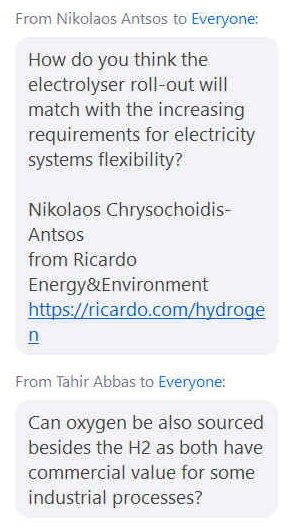
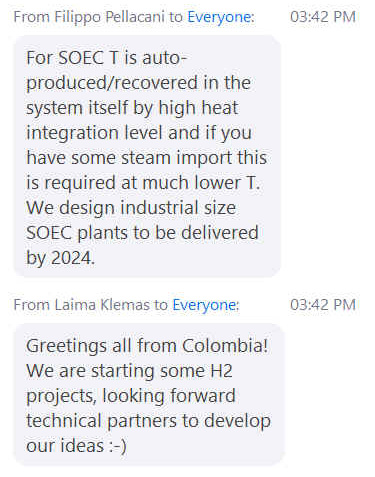
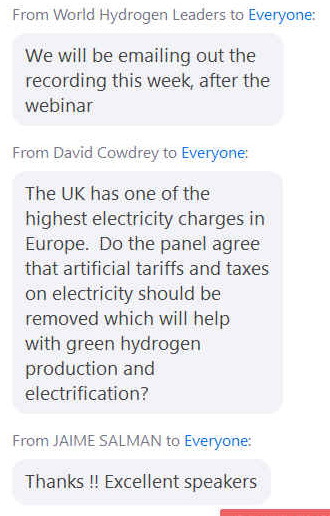
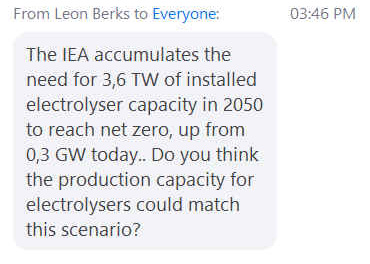
Q
& A Steve Lupton 03:15 PM
- How does Green Hydrogen compare to
Blue Hydrogen based upon cost and scale?
Shahab Nazari 03:18 PM - how to address the safety concerns in GW Electrolyser plant?
Patrice Bourrier 03:30 PM - Hello Shahab Nazari, Could you be a little bit more detail regarding your concern?
Shahab Nazari 03:39 PM - in PEM the leakage / rupture of memrane is a concern.
At low MW this is not a real concern but in GW it may result in disaster.
Ankica Kovač 03:47 PM - replied
John Bruijnen 03:47 PM - Shabab, correctly observed. This depends of course on the system operating pressure and temperature, as well how the effect of Ozon and Hydrogen peroxide formed in the process.
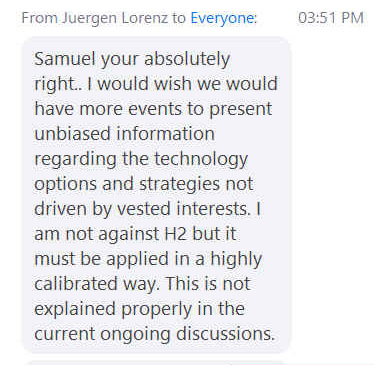
Juergen Lorenz 03:19 PM - Right now we just see an unlimited hyped up virtual and unreasonable demand for H2 leading to extreme subsidy requirements and avoidable cost for the economy and people and maintaining old fossil driven thermal and transport sector to stay in the game. What is your take on this?
Randy Hull 03:25 PM - Clean energy subsidies are a given and the only way to internatlize the long term impact of climate change. Electrolysis is the dominant route to
green
H2. Capital costs represent well over half of levelized cost of H2 and are coming down. Power consumption, the other hand, seems to have a thermodynamic limitation at around 40-45 kwh/kg. Does anyone see progress in the power usage beyond those figures?
Peter Sternlicht 03:31 PM - This discussion is focused on Europe. The economy today is global, however the trend is headed in more of a regional direction. That said, is Europe looking to source hydrogen from other parts of the world?
Ankica Kovač 03:52 PM - replied
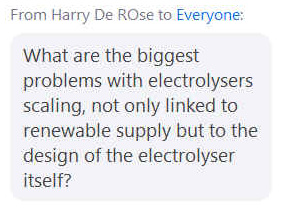
Harry De Rose 03:31 PM - What are the biggest problems with scaling electrolysers, not only linked to the renewable supply, but to the design of the electrolyser itself?
Ankica Kovač 03:48 PM - replied
Sameer Pandit 03:32 PM - Given the current global green H2 capacity is ~2 GW, is Europe's 40 GW ambition too optimistic?
Ankica Kovač 03:49 PM - replied
Joydev Manna 03:34 PM - What are the cost share of each parts of an electrolyser system i.e., electrolyser core, DI water supply, Electricity supply system, H2 purifier etc.? Which part has most effect on the overall cost of the green H2 (not considering electricity cost)?
Ankica Kovač 03:55 PM - replied
Joydev Manna 03:59 PM - thanks
Alberto LITTA MODIGNANI 03:34 PM - QUESTION FOR BART: A ten-year tax credit worth up to $3 per kilogram of “clean hydrogen” was approved by the US House of Representatives on Friday.
The cleaner the hydrogen produced, the higher the tax credit received by producers — a move that could make green H2 derived from renewable energy finally competitive. US seem also to impose less constraints with regards to the grid connection enabling the electrolyzers to source electricity from green PPAs. How do you compare this act against the REDII directive?
Ankica Kovač 03:40 PM - replied
Angela Marinkas 03:38 PM - What do you think which kind of electrolyser technology will be the most applicable on larger scale in the future, including also new technologies?
Ankica Kovač 04:00 PM - replied
Giuseppe Sercia 03:39 PM - What is the actual market status on PEM electrolyser? It seems that currently just few companies are playing a central role on the market in deploying PEM for large-scale Green H2 production. How do you see this situation?
Ankica Kovač 03:59 PM - replied
Aurelien Damour 03:41 PM - Why are we mainly speaking about green hydrogen and not about
pink
hydrogen? As it is probably a good way to scale up production in the next decade. Maybe a question for Bart BIEBUYCK
Andreas de With 03:46 PM - Is there a future for blue H2 in Europe?
Ankica Kovač 04:00 PM - replied
Patrice Bourrier 03:47 PM - Is there a future for blue H2 fro SMR + CCUS, at all?
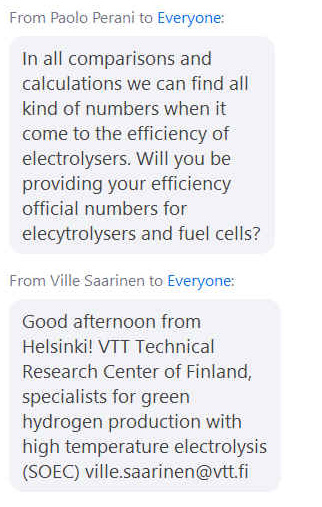
Paolo Perani 03:52 PM - In all comparisons and calculations we can find all kind of numbers when it comes to efficiency
figures. Can you provide an "agreed" efficiency number for Electrolysers and
Fuel Cells?
Juergen Lorenz 03:11 PM - How can you justify the uncalibrated application of H2 for heating and common transport were direct application of RE electricity through heat pumps and EVs more efficient and
cheaper?
Ankica Kovač 03:34 PM - replied
Juergen Lorenz 03:15 PM - Isn't the limitation of H2 for seasonal storage, shipping, aviation and maybe partly heavy industry the only fields where H2 should be applied?
Nick `Puga 03:18 PM - What are the EU expectations of economies of scale on price?
David Cowdrey 03:28 PM - Do you think the priority for Green Hydrogen should be to help decarbonise heavy industry, heavy transport, shipping and aviation?
Juergen Lorenz 03:31 PM - For backup you only need 20% of the energy demand throughout the year and this can be mostly covered by RE- from rCH4,Hydro
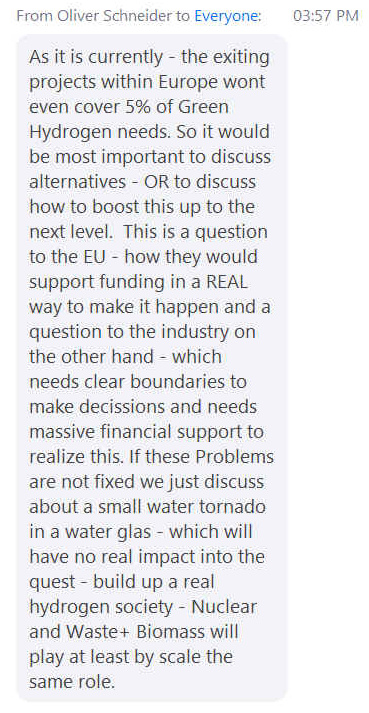
catalin dragostin 03:31 PM - @Oliver: EU Directives says that energy efficiency must be applicable to ALL ENERGIES (fossil & renewables)....so, renewables must play by efficiency as well, even if you have it in excess !
Rajesh Sharma 03:32 PM - What is the role of digitalization as seen by the panelists, specially integrated digital twin or end to end value chain optimization?
Florian Huber 03:33 PM - Concerning transportation of aircrafts and marine vessels: Do you think,
that's the play field for hydrogen, or is it better to look at efuels (sustainable aviation fuels from biomass or synthesis gas chemistry,
Methanol or Fischer-Tropsch hydrocarbons, utilizing renewable hydrogen) for these two applications?
Marcelo Fermepin 03:35 PM - Which is the typical lifetime of an Standard Electrolizer?
Marcelo Fermepin 03:35 PM - Thanks
Ankica Kovač 03:41 PM - You are welcome
Juergen Lorenz 03:36 PM - System coupling is maximizing onsite Solar + decentralized BHKWs application covering Electricity, heat and mobility.
Ankica Kovač 03:41 PM - ok
Harry De Rose 03:44 PM - @Bart Under the idealoge of large scale electrolysis rollout you've stated the implementation shall be a combination of smaller models (10MW) to acheive these large demand projects (100MW Plants). Do you see any problems with this? BoP? Efficiency?
herman annendyck 03:47 PM - references with large scale scale chlorine -alkaline plants do exist and are applied worldwide, and with a long track record. This technology is even more demanding with respect to safety compared to water electrolysis.
Randy Hull 03:56 PM - Could we get email addresses of speakers please?
Peter Sternlicht 04:01 PM - Are you considering the availability and cost of petroleum in the context of industrial transportation and minerals mining and the effect it will have on technology development and production?
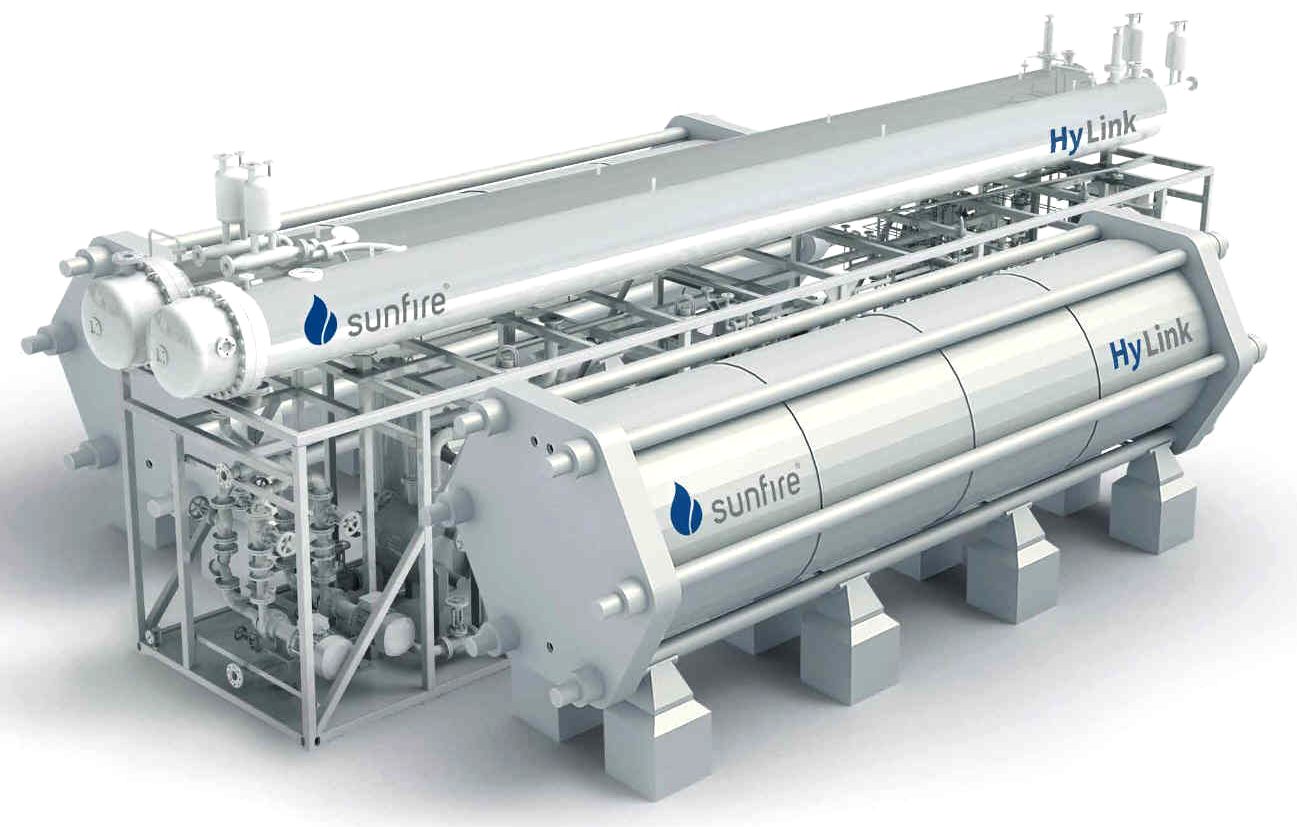
Sunfire’s
pressurized Alkaline electrolyzer is optimal for applications without (or with limited steam
availability). With a system lifetime of at least 90,000 operating hours, the electrolyzer is our established solution for renewable hydrogen production.
The electrolyzer has a scalable system design. One system produces 2,150 Nm³/h hydrogen at 30
bar(g) with a power consumption of 4.7 kWh/Nm³.
Nm3/hr = Normal Meter Cubed per Hour. Unit used to measure gas flow rate. The 'Normal' refers to normal conditions of 0degC and 1 atm (standard atmosphere = 101.325
kPa) – for practicle purposes this is rounded to 1 bar.
CONTACTS Alex Sánchez
Marketing Manager
alex.sanchez@greenpowerglobal.com.
www.worldhydrogenleaders.com
Oliver Sawyer
Sponsorship Director
World Electrolysis Congress
T: +44(0) 20 3355 4208 C: +44(0) 78 255 17063
E: oliver.sawyer@greenpowerglobal.com
LINKS
& REFERENCE https://www.sustainableenergyhawaii.org/home https://www.punchtorino.com/punch-hydrocells/ https://www.researchgate.net/profile/Ankica-Kovac
https://orcid.org/0000-0003-0148-5620 https://www.verbund.com/ https://worldhydrogenuk.hubilo.com/ https://worldhydrogenuk.hubilo.com/
Please
use our A-Z
INDEX to navigate this site
Copyright © Climate Change Trust
& Universal Smart Batteries 2021. Solar
Studios, BN271RF, United Kingdom.
|